
Kitchen Confidence: How to Learn Skills to Cook without Strain.
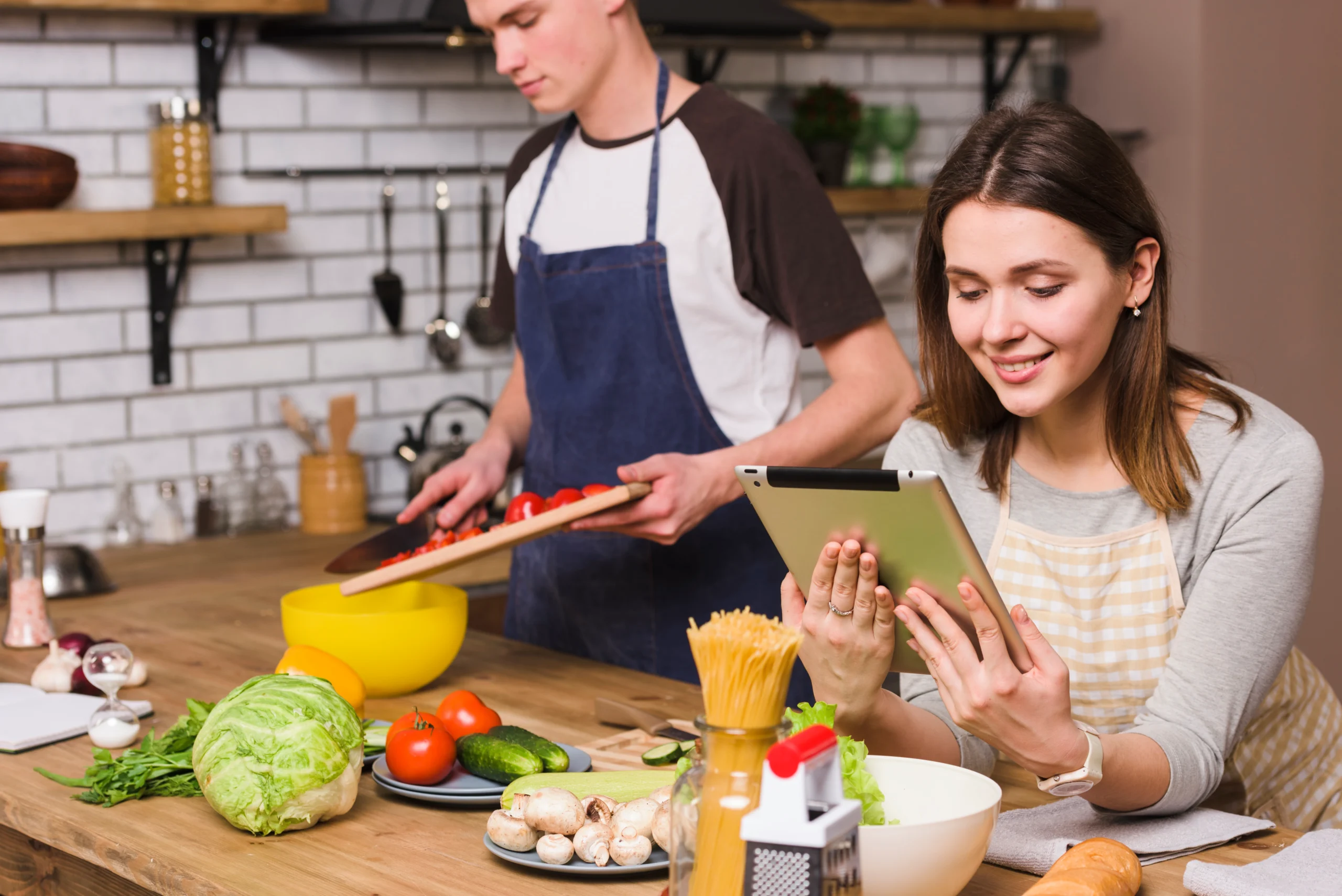
A lot of individuals feel that cooking is not challenging, not because cooking is challenging, but because people have no belief in the simple kitchen techniques. They are afraid of error, waste, or being criticized. It is this fear that causes them to shun cooking and the distance becomes permanent. The awareness of home cooking is that cooking confidence cannot be inherited, but it can be developed by practicing on a regular basis. Cooking is a skill just as typing, speaking the English language, or learning software. Once one gets up to even the simplest of kitchen techniques, cooking becomes fun and simple.
Shop premium Bubblegum Runtz and high-quality THCA pounds options for unbeatable value and freshness. Explore potent THCA carts, delicious THCA gummy varieties, and convenient THCA vape pen selections for a smooth, flavorful experience all in one place.
The initial step towards confidence-building is handling of knives and chopping. Cooking is also perceived to take too long, and this is due to the fact that chopping is a long process. Kitchen awareness promotes the study of simple techniques of chopping: slicing, dicing, and cutting vegetables into julienne and proper cleaning of vegetables. A sharp knife is better to use to be fast and safer. There are a lot of dull knives that many people use and they are more dangerous and slow. Cooking time is shortened and stress is minimized with good chopping skills. Cooking on chopping becomes light when chopping is quick.
The other skill is timing management. Novices are puzzled by the fact that various dishes have to be cooked simultaneously: rice boiling, curry simmering, tempering occurring, vegetables frying. Knowledge of kitchen confidence gives sequence. As an illustration: prepare rice and then start cooking dal and then chop vegetables as dal cooks and then make curry. The sequencing puts off the pressure and also simplifies the cooking process. The art of cooking is no chaos: it is an orderly motion. As soon as you are taught about sequencing, cooking will be automatic.
One of the biggest errors that beginners commit is heat control. Masala is burnt on a high flame, time wastage comes under low flame, and wrong flame destroys taste. Knowledge provides awareness 3 levels of flame high (quite boiled), middle (sauté), and low level (slow-simmering). As the flame control increases, so does the taste of food. Improvement of taste creates confidence. Consistency is created through confidence. The majority of individuals get frightened due to the fact that food tends to burn, yet the knowledge of flames stops it.
Experience is also an issue. There are a lot of novices who under season or over season. They do not understand the amount of salt, chilli or spices to put in. Kitchen awareness promotes a slow pace of eating and a gradual process of adjustment. Less at the outset then more gradually. Learn basic spice combinations to Indian cooking as well. When one knows about spice balance, it becomes imaginative and entertaining to cook. Confidence in flavour reduces the pressure of cooking since you are sure of how to rectify the situation. Skill increases when you are taught corrections.
Lastly, confidence in the kitchen is established with several simple dishes and one will finally master them. Millions of individuals experiment with recipes daily and fail and become unconfident. The awareness imparts repeat system: learn 5 breakfast dishes, 5 lunch dishes, 5 dinner dishes. When these are mastered, one can cook automatically. Light-heartedness of the cook saves stress and develops autonomy. Cooking turns out to be an everyday thing rather than a fight.