
The Weekly Cooking Routine: How to Create a Routine and Never Get Tired of it.
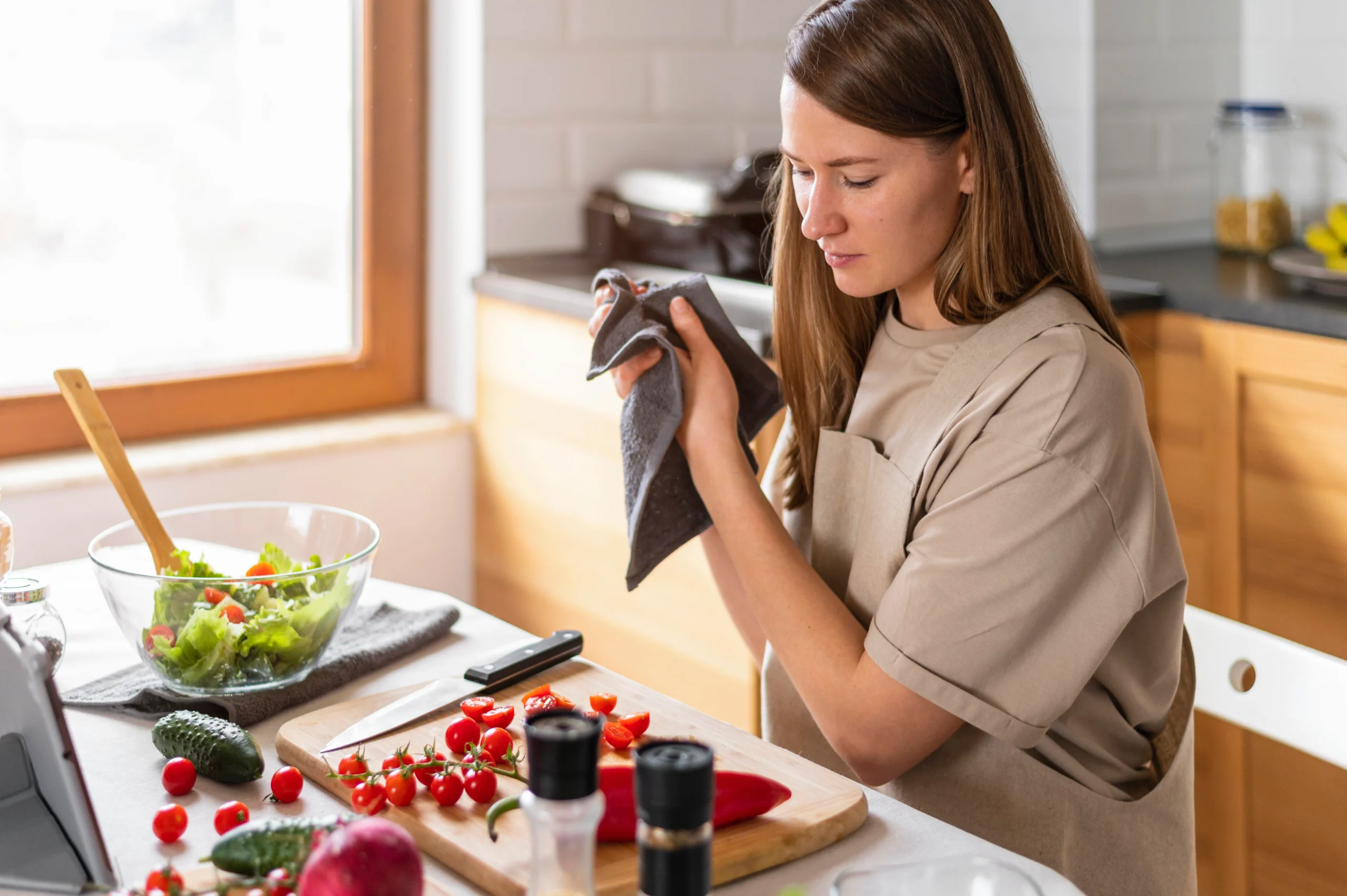
Most individuals begin at home cooking, but soon, they quit due to exhaustion, boredom or pressure. They believe that consistency involves making fresh complex food every day, which becomes tiresome soon. The awareness on home cooking instructs the fact that the routine of cooking a meal weekly should be tailored to accommodate real life and not ideal life. Smart planning, rather than over-effort in daily routine, makes sustainability in cooking. Cooking will be easy when the routines are realistic. In the case of unrealistic routines, outside food is the default once again.
Discover stylish Low Wedding Heels, elegant Flat Suede Boots, chic Sandals High Heels Black, trendy Kitten Heel Boots for Women, and classic High Heels for Wedding for every occasion.
The initial action in the week routine construction is the selection of the weekday meals which are easy and the weekend meals which are flexible. Weekends are not hectic and energy is reduced. Consciousness promotes low energy foods such as dal + rice, roti + sabzi, one-pot khichdi, curd rice, egg curry, vegetable pulao. Slightly more special meals can be weekend meals. This lowers stress during weekdays and burnout is avoided. Consistency is achievable when the meals one eats on weekdays are not complicated.
Shop our stylish collection of flat suede boots, elegant suede heels, comfortable womens suede flats, classic flat suede designs, and timeless women suede loafers for every occasion.
Preparing meals in advance is the foundation of the weekly cooking. Consciousness educates preparation 2 times a week: vegetables chop, ginger-garlic paste preparation, dal base cooking, eggs boiling, chutney preparation. Daily cooking takes 20-30 minutes rather than one hour when prep has been prepared. This convenience is indicative of home cooking. Life should not be harder, but easier with a routine.
It is necessary to be rotated to prevent boredom. Most individuals have ceased cooking due to boredom of eating the same food every day. There are awareness on rotating types of meals; one day sambar, one day dal fry, one day curd rice, one day stir fry, one day noodles/pasta homemade. Change of motion maintains interest. Cooking does not require 100 recipes but it requires diversity system. Burnout is avoided by the mere variety.
It is also important that meal planning is done as a backup. There are days when there is not much energy, and preparing a meal will seem to be not an easy task. Knowledge imparts the necessity of stocking up ready food: dosa batter, oats, bread + eggs, frozen parathas, basic vegetable upma. Backup meals stop the dependence of outside food. The consistency is safeguarded in the presence of backups. The secret of long-term routine is the backup planning.
Routine is assisted by kitchen organization. When there is no proper arrangement of ingredients, cooking becomes burdensome. Knowledge teaches storing of frequently used spices in and around stove, placing the cutting board in place, tidiness of storage containers and visibility. Cooking will be automatic when the kitchen is operational. Functional kitchen saves on decision stress. Ordinary support is silent support of organization.
The family participation enhances the sustainability of cooking routines. When an individual does it all in a day, burnout occurs. Consciousness promotes division of labor: one person washes vegetables, the other prepares rice, the third one cleans. Pressure decreases even with small assistance. Routines of cooking become family culture. Sharing of responsibility eliminates stress and instills stability.
Finally, weekly cooking routines are constructed based on balance, including simple weekdays, smart meal-preping, rotation of recipes, backup meals, order in the kitchen and flexible mind. It is not to achieve perfection, it is to be consistent. Once cooking is routine-based, health is achieved, spending is minimized and daily energy stabilized. Home cooking awareness assists human beings to establish long-term habits that are easy and natural to follow.