
Healthy Cooking Techniques: Preparing Food Delicious without being over-oiled and over-sugared.
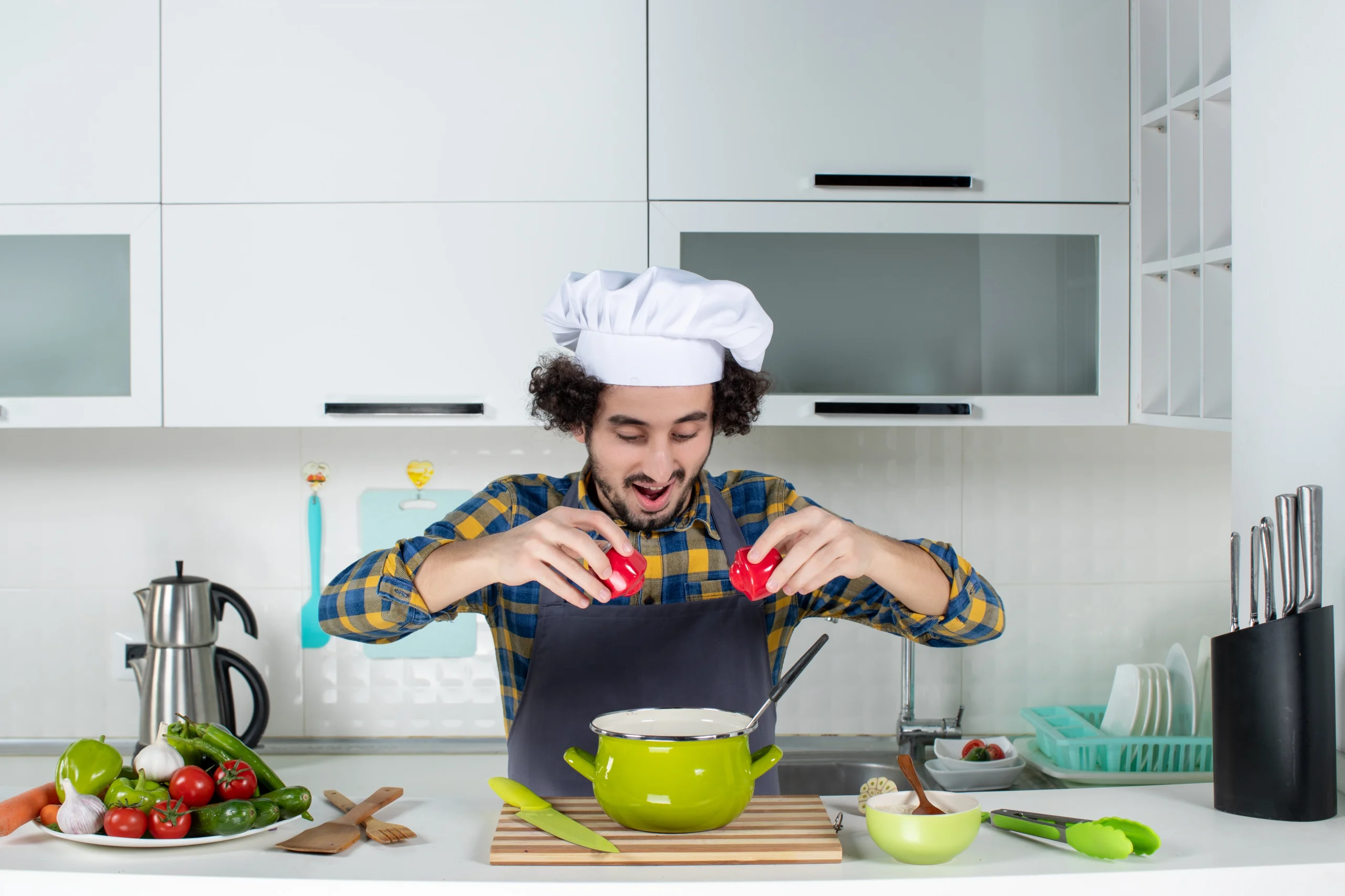
The healthful food preparation is misinterpreted to mean consuming unappetizing food or shunning of delicious meals. It is not possible to tell that one of the most common misconceptions people hold about healthy food is that it does not taste good. The actual trick is cooking technique, oil management and proportion of ingredients. It is a lesson that even when one cooks at home they can make healthy food that is tasty. Health cannot be constructed by a diet day, it is constructed by day-to-day cooking. Once daily cooking is put into balance, the energy levels are increased, the digestion is enhanced, and even the mood is elevated. One does not cook healthy because it is in the style of restriction but it is clever cooking.
Indulge in elegance with luxury panties and a sensual luxury thong designed for comfort and sophistication. Complete your look with silky luxury camisoles and a stunning long line lace bra for timeless, feminine style.
One of the largest areas to be enhanced is oil management since most of the dishes are made heavy because of the uncontrolled use of oil. Individuals add oil without any measurement, or they put additional oil in frying since it is Landscaping Montreal more appealing. The awareness of healthy cooking helps in using the measurements of oil (1 teaspoon, 2 teaspoons) rather than pouring. Healthy cooking does not imply no oil, but moderated oil. Food is maintained light but delicious using controlled oil.
Sugar awareness is the second significant aspect of health improvement. Sugar does not only appear in sweets but also in tea, coffee, packaged foods, sauces and even snacks. Sugar has been taken by many people in their daily lives without the awareness of how much it influences energy crashes and cravings. Knowledge about healthy cooking promotes the gradual decrease in sugar: less sugar in tea, fewer sweets per week, avoiding the unneeded packaged foods containing sugar. It is not the removal but habit improvement. In cases where sugar is cut off, energy becomes stable.
Cooking technique is also important in healthy cooking. People fry most things and in the process make them less healthy in terms of nutrients. Consciousness educates on rotating techniques such as steaming, boiling, sautéing, roasting, grilling, baking and pressure cooking. As an example, vegetables can be sautéed and not deep fried. Paneer does not need to be fried heavily, it can be grilled. Even snacks such as potatoes can be roasted and not deep fried. Health is enhanced when the methods of cooking are altered without altering the style of food. All one has to do is change the method to make same food healthier.
Spices are significant in the process of turning healthy food into tasty. Individuals waste oil to make it taste good yet spices can make things taste good without being heavy. The awareness of home cooking promotes the learning of spice balance: cumin, mustard, curry leaves, garlic, ginger, chilli, pepper, coriander powder, turmeric, garam masala. Tempering is an addition of flavour without additional oil. Adding lemon, coriander, mint and curd to it is also refreshing. Smart flavor building makes food healthy. Taste capabilities make oil and sugar less essential.
Another skill of healthy cooking is portion balance. Healthy food might also be unhealthy when consumed in an uneven amount. Being conscious educates you about plate balance half plate vegetables, 1/4 protein, 1/4 carbs. Most of the population consumes heavy rice/chapati and minimal quantities of vegetables. Balanced meals help in digestion and also decrease post-eating fatigue. Healthy cooking is cooking technique as well as composition of the meal. At balanced structure, there are fewer cravings.
The way of preparing food is also important. Indicatively, washing rice and soaking dal enhances digestion. Consumption of fresh products decreases the amount of chemicals. Contamination is avoided using clean storage. Clean cooking prevents spoilage of food and promotes health in the long term.
Lastly, healthy cooking is not a set of rules but rather a routine to be built on a sustainable basis. When cooking healthy seems too serious, individuals give up. Teaching awareness brings gradual change: oil and sugar may be gradually reduced, one vegetable and one type of protein should be added each day. Minor measures turn into new norms. Healthy cooking is enjoyable and as such it becomes regular. Both the quality of life and healthy cooking are natural.